Whether you are a seasoned digital marketer or a small business owner, the goal is the same: appearing on the first page of search results. In 2026, this requires more than just content; it requires a foundation of technical excellence and a structure built for modern AI search. To truly master on-page SEO for higher Google rankings, you need a system that addresses performance, intent, and authority.
You have probably been there: you publish a post you are proud of, wait weeks, and find it stuck on page 2. Ranking high on Google is no longer just about repeating keywords or having a high word count. It is about technical precision and demonstrating real authority. In this 2026 guide, we'll walk you through five actionable steps to help you master on-page SEO for higher Google rankings and stay ahead of algorithm updates.
The Shift in On-Page SEO: Performance as the First Filter
The rules of the game have evolved significantly over the last few years. On-page SEO is the starting line for any site that wants to be visible in 2026. The most critical shift is the "Performance Filter." Google now uses Core Web Vitals as a mandatory filter before it even evaluates the quality of your content. If your site is slow, unstable, or unresponsive, you might be filtered out entirely.
We have also seen a massive shift from simple keyword matching to Helpful Content and E-E-A-T (Experience, Expertise, Authoritativeness, Trustworthiness). Google's algorithm now detects when a writer has actual experience with a topic.
Step 1: Optimize Your Technical Foundation and Core Web Vitals
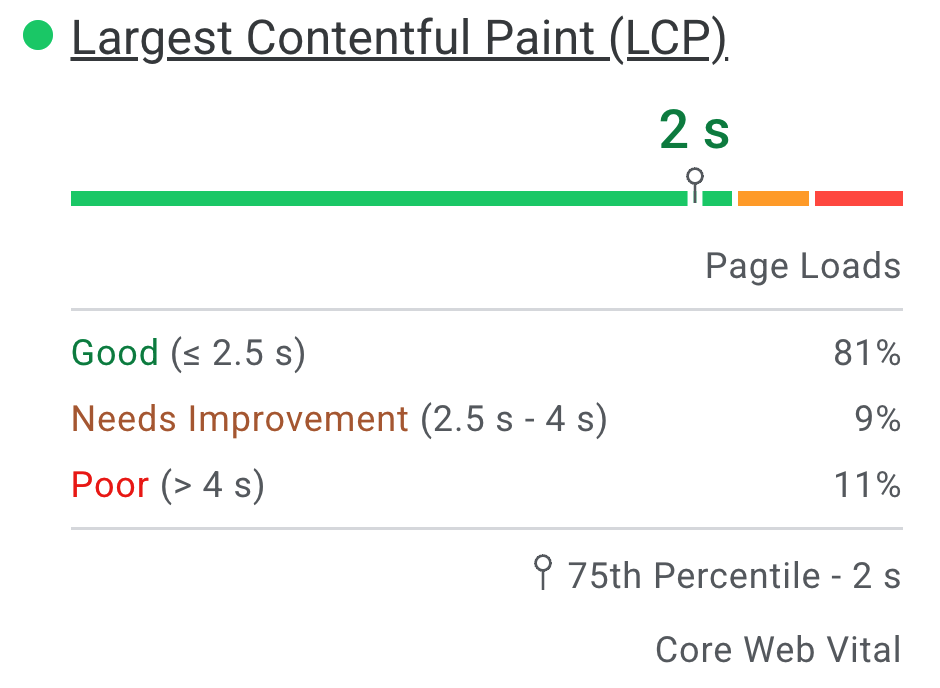
Before you write a single word, ensure your technical foundation is rock solid. Passing the mandatory filter of LCP (Largest Contentful Paint), INP (Interaction to Next Paint), and CLS (Cumulative Layout Shift) is non-negotiable in 2026.
- Improve load speed (LCP): Aim for under 2.5 seconds.
- Ensure responsiveness (INP): Respond to clicks in under 200ms.
- Maintain stability (CLS): Score under 0.1.
Mobile-first indexing is now standard. Ensure readable text (at least 16px) and accessible tap targets (44x44px).
Step 2: Map Search Intent and Perform Entity Research
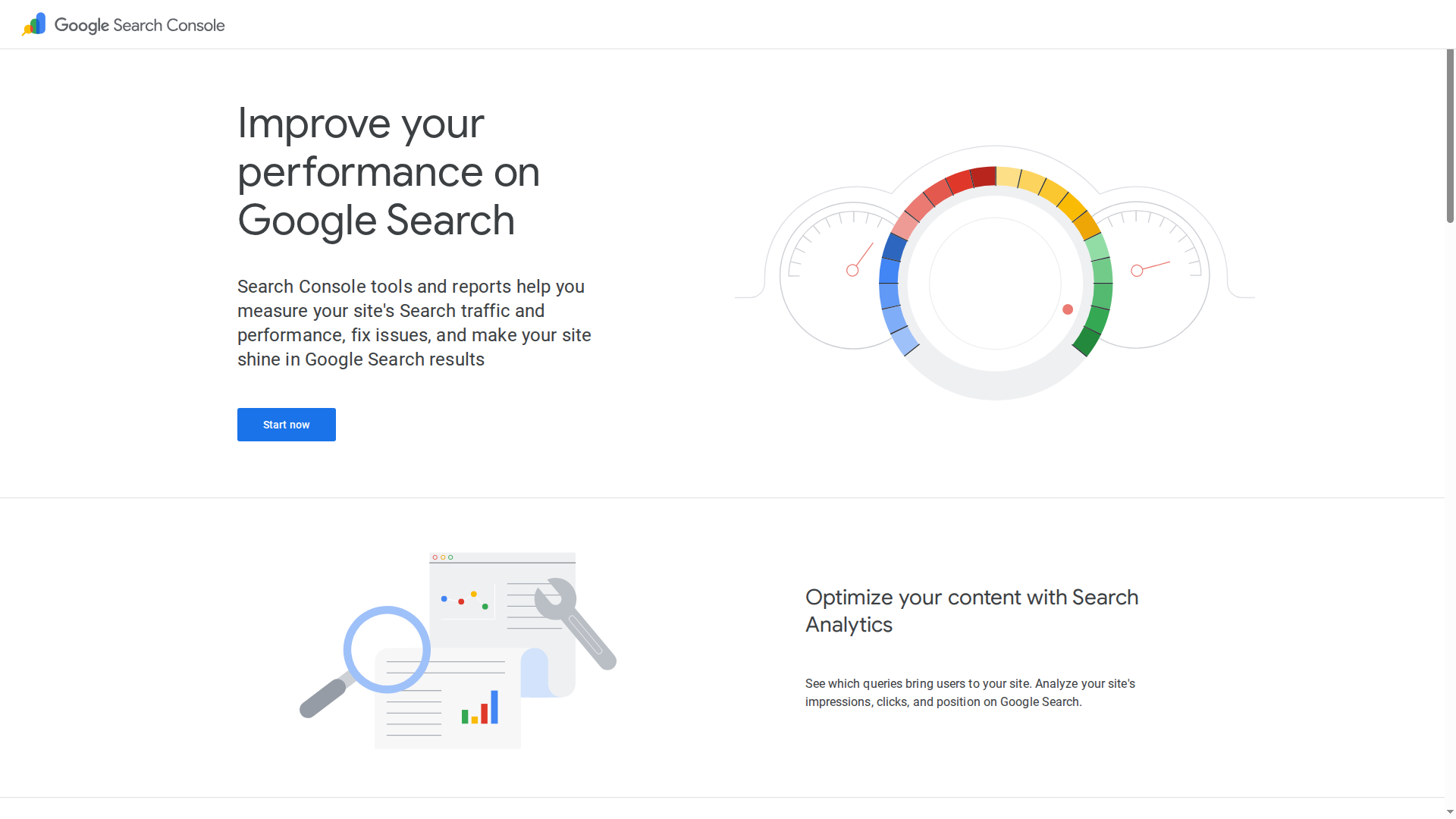
Once your technical health is verified, align your content with user intent. Use Google Search Console to identify "almost ranking" pages (positions 8–20). A few tweaks can push them to page one.
In 2026, search engines focus on "Entities." Use relevant entities and LSI variations to build topical authority. For example, "on-page SEO" should include "meta tags," "internal links," and "search intent."
📊 Popular SEO Tool Pricing (Annual Plans):
| Tool / Plan | Price (Annual) | Best For |
|---|---|---|
| Semrush Pro | $117.33/mo | Beginners & individuals |
| Semrush Guru | $208.33/mo | Small businesses |
| Semrush Business | $416.66/mo | Large agencies |
Step 3: Architect an AI-Ready Page Structure
Content structure is a blueprint for search bots and generative AI (SGE, ChatGPT). Follow the Direct Answer Rule: place concise, factual answers within the first 2-3 sentences to increase chances of appearing in AI summaries.
Proper heading hierarchy (H1, H2, H3) is essential. Optimize title tags under 60 characters and meta descriptions (120-155 characters). Tools like Moz Pro help preview snippets.
| Moz Pro Plan | Price (Annual) | Monthly Crawl Limit |
|---|---|---|
| Standard | $79/mo | 400,000 pages |
| Medium | $143/mo | 2,000,000 pages |
| Large | $239/mo | 5,000,000 pages |
Step 4: Master Content Excellence and E-E-A-T
Quality is the most sustainable ranking factor. Demonstrate "Experience" by including original research, screenshots, case studies, and personal outcomes. Implement a Topic Cluster model: one pillar page linking to multiple cluster pages to establish authority.
Platforms like Ahrefs provide granular data. Their plans:
| Ahrefs Plan | Price (Annual) | Tracked Keywords |
|---|---|---|
| Lite | ~$108/mo | 750 |
| Standard | ~$208/mo | 2,000 |
| Advanced | ~$374/mo | 5,000 |
Write for people first. Avoid fluff and deliver actionable takeaways.
Step 5: Implement Schema Markup and Rich Snippets
Structured data (schema markup) helps search engines understand context. In 2026, JSON-LD is the mandatory format. Use FAQ and Review schema to capture more visual real estate, improving CTR. Always validate with the Google Rich Results Test.
Implementing Schema.org markup especially published and modified dates has helped our content crawl and recrawl rates and has influenced how our content shows up in SERPs. — Michigan Tech
🛠️ Master On-Page SEO with SEO Faston Pro Toolkit
We know that mastering on-page SEO can feel overwhelming manually. That's why we built the SEO Faston Pro suite of utilities to make optimization faster and easier.
- SEO Analyzer – Scan your pages for technical blockers.
- Keyword Density Checker – Validate content balance and entity usage.
- Meta Tag Generator – Automate optimized snippets.
- Schema Markup Generator – Create JSON-LD structured data.
- Robots.txt Generator – Perfect crawler directives.
- URL Extractor – Handle technical audits and migrations.
Bottom line: Start with a manual audit of your top-performing pages using our tools, then move systematically through the five steps. SEO success in 2026 is a marathon — by focusing on performance, intent, and structural excellence, you can build sustainable rankings.
- ✓ Optimize Core Web Vitals (LCP, INP, CLS) as a mandatory filter.
- ✓ Match search intent and use entity-based keyword variations.
- ✓ Structure content for AI (Direct Answer Rule + proper heading hierarchy).
- ✓ Demonstrate E-E-A-T with original proof points and topic clusters.
- ✓ Implement JSON-LD schema for rich snippets and better CTR.
- ✓ Use SEO Faston Pro tools to automate and simplify every step.
Frequently Asked Questions
How can I master on-page SEO for higher Google rankings in 2026?
Mastering on-page SEO in 2026 requires focusing on the "Performance Filter" (Core Web Vitals), aligning content with search intent, using entity-based research, and implementing structured data to capture rich snippets.
Is mastering on-page SEO for higher Google rankings still possible for new websites?
Yes. New websites can master on-page SEO by focusing on niche topics, demonstrating high E-E-A-T through original research, and ensuring their site is technically faster than larger competitors.
What tools help you master on-page SEO for higher Google rankings fast?
Tools like SEO Faston Pro's SEO Analyzer and Keyword Density Checker automate technical audits and content balancing for faster mastery.
Does mobile optimization affect how you master on-page SEO for higher Google rankings?
Absolutely. Google uses mobile-first indexing, so your mobile site's performance and structure are primary ranking signals. Optimize tap targets and font sizes.
Can schema markup help master on-page SEO for higher Google rankings?
Yes. Implementing FAQ and Review schema improves visibility and CTR, which sends positive signals to Google, indirectly boosting rankings.
How often should I update content to master on-page SEO for higher Google rankings?
Audit and update your high-performing content at least every 6 months to keep entities, data, and freshness signals strong.
🚀 Ready to Master On-Page SEO in 2026?
Use SEO Faston Pro's free toolkit to audit, optimize, and rank higher. Start your journey to page one today.
Try All Tools Free →© 2026 SEO Faston Pro — Intelligent on-page SEO tools for modern marketers.