FIFA World Cup 2026 Group Stage Analysis: Groups of Death, Shocks & Qualified Teams
Breakdown of the 2026 World Cup group stage: which groups lived up to hype, shocking upsets, surprise qualifiers, standout scorers, and which nations advanced to the knockouts.
June 28, 2026 · 12 min read
TL;DR
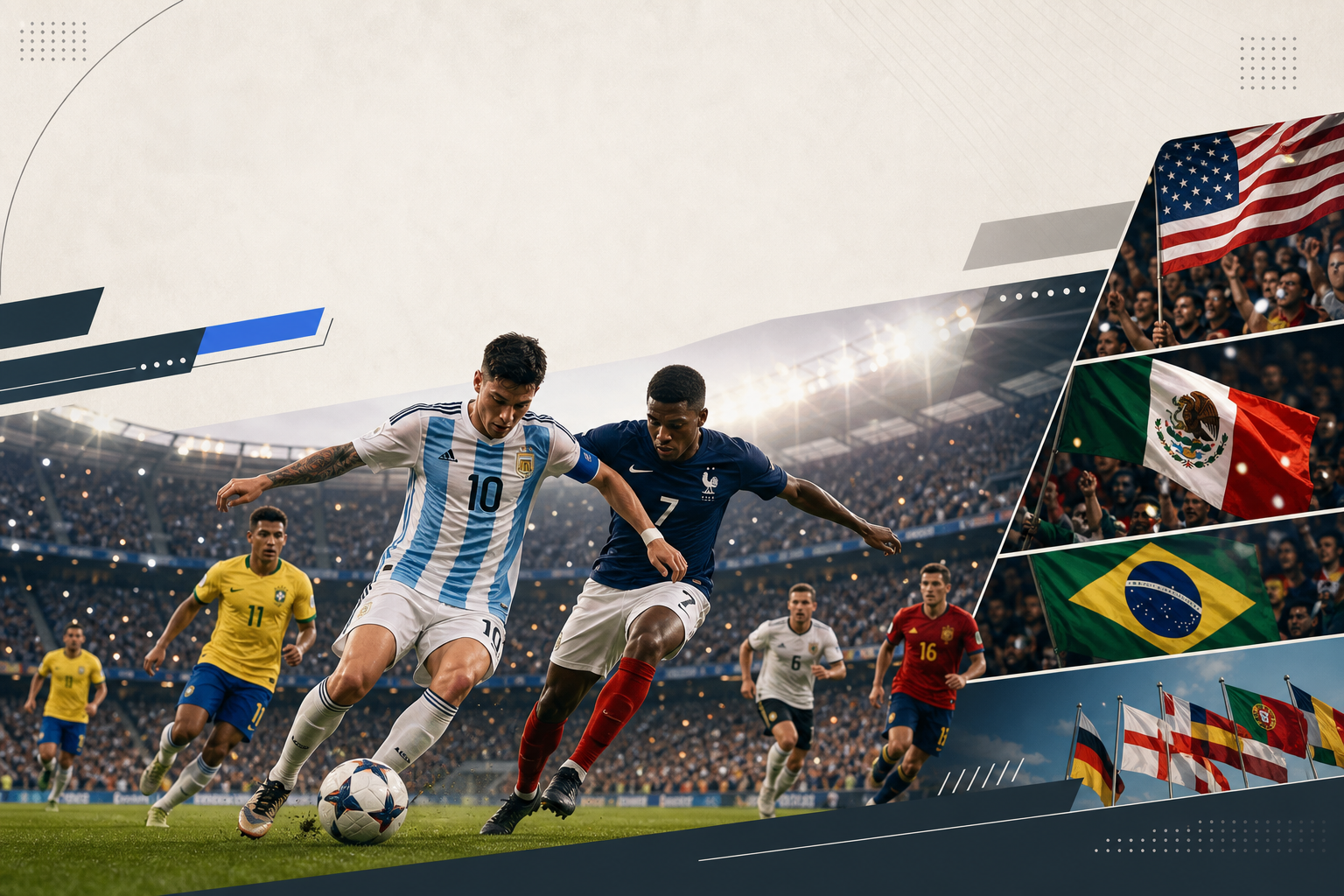
The 2026 World Cup group stage delivered historical upheaval: co-host Canada dominated with a shocking 6-0 demolition of Qatar; Mexico progressed unbeaten with a perfect defensive record; defending-host Qatar collapsed spectacularly and was eliminated; and elite strikers Haaland, Mbappé, and Messi powered a competitive goal-scoring race. The 48-team format created 12 groups of four with genuine unpredictability-some groups were clear two-tier matchups, while others came down to goal difference on the final day. 16 teams advanced to the knockouts, setting up a tangled tournament where traditional powerhouses proved mortal and emerging nations showed real teeth.
The tournament expanded-and chaos delivered
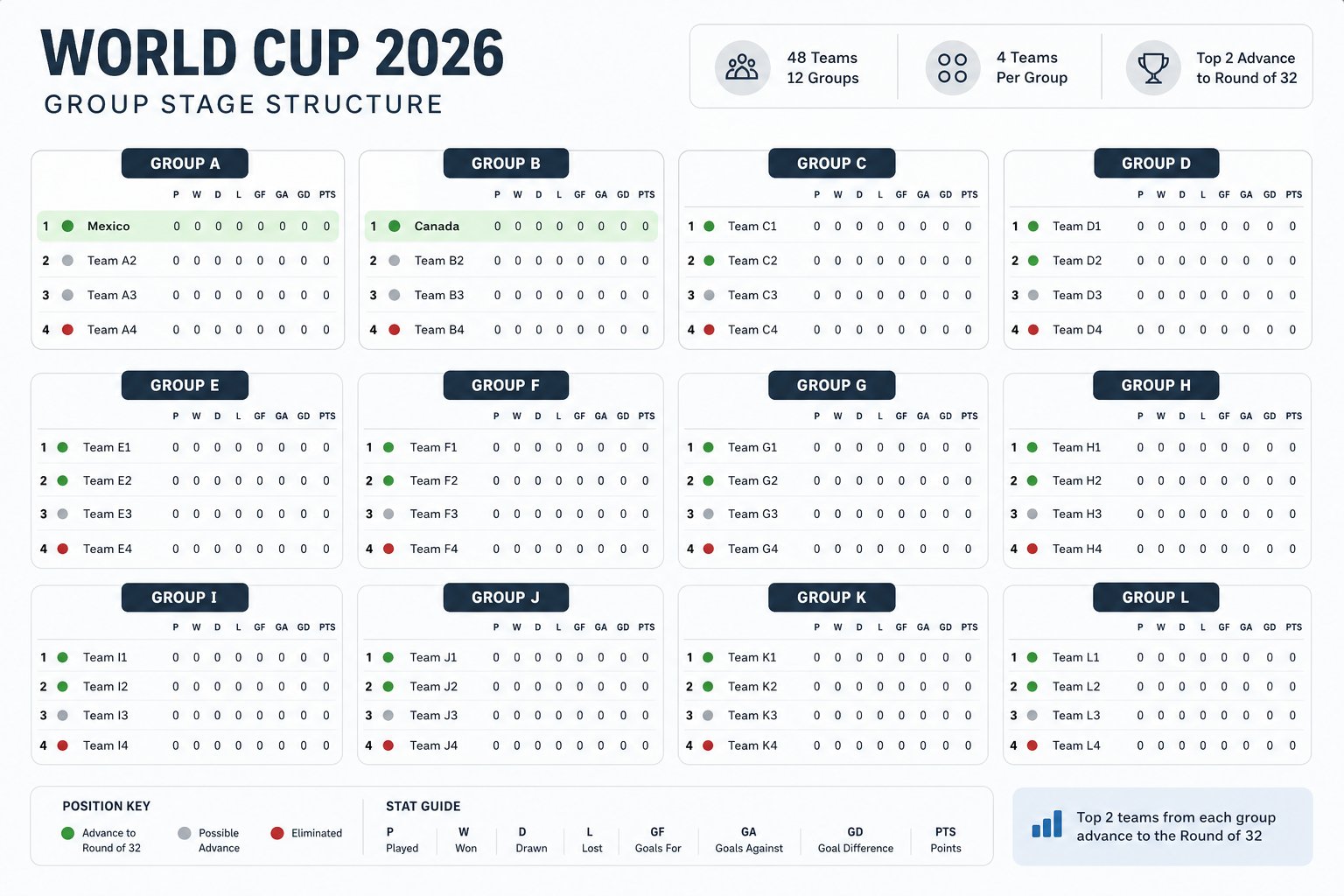
The 2026 World Cup is the first to feature 48 teams instead of 32, split into 12 groups of four. That structural change matters: more nations, tighter groups, and less room for dominant walkovers. What we got was a group stage that exposed vulnerabilities in pre-tournament favorites, revealed emerging superpowers, and delivered one of the most lopsided scorelines in modern World Cup history.
With two group matchdays complete and the final matchday outcomes settling the last qualifiers, the dust is clearing on a genuinely wild opening act. Here’s what the numbers, the shocks, and the standouts tell us.

Which groups lived up to “group of death” status?
When you expand to 48 teams split 12 ways, some groups end up with genuinely elite talent stacked together. Not all lived up to the hype, but a few earned the “group of death” label through pure competitive intensity.
Group B is the standout. You had Switzerland-a perennial knockout threat-paired with Canada and the returning Qatar. Nobody predicted what actually happened (more on that in a moment), but on paper, the group looked brutal. Canada’s 1-1 draw with Bosnia-Herzegovina looked like a stumble until the 6-0 that followed reset the narrative entirely.
Group A carried Mexico and South Korea, which sounded competitive until Mexico put on a defensive clinic and advanced with a 6-points and zero goals conceded in two matches. The group had bite, but Mexico’s perfection flattened the drama.
Group C and Group D in the later phase included France, Portugal, Argentina, and Norway-traditional powerhouses that (mostly) lived up to seeding. France and Portugal both advanced, though not without competitive groups pushing them.
The truth: in a 48-team format, “group of death” is real only if the top teams stumble. Group B could have been absolute carnage if Canada hadn’t emerged as a genuine force. Most groups broke into a clear top tier (qualified) and bottom tier (eliminated) by matchday two, which is how group stages usually work.
The shocks that reset the tournament narrative
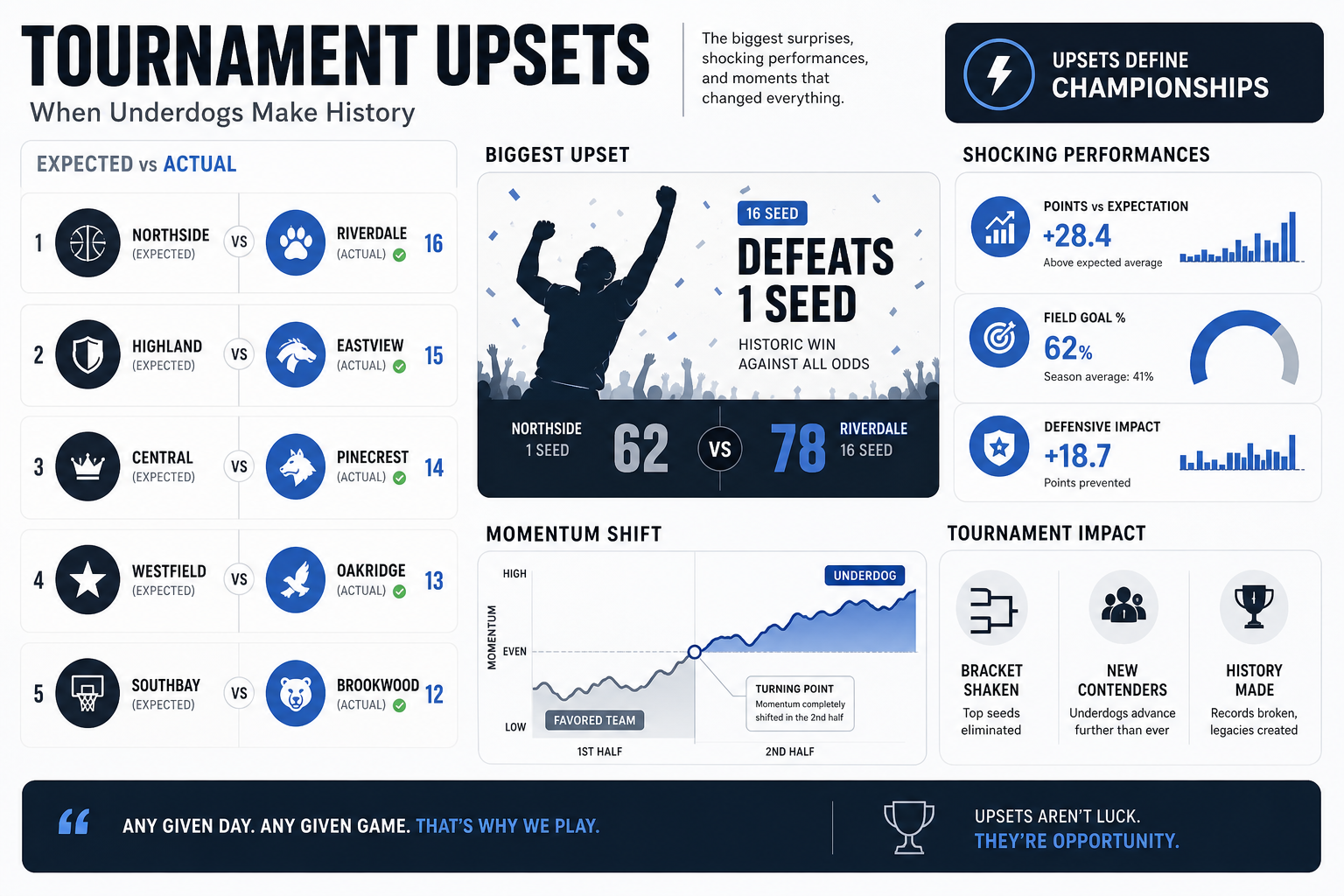
Canada’s 6-0 demolition of Qatar isn’t just the tournament’s biggest shock-it’s one of the most lopsided scorelines in World Cup history. Qatar hosted in 2022 and reached the final. Two years later, against a co-host nation that had zero World Cup pedigree, they were obliterated. That scoreline is the kind of result that doesn’t happen in modern football unless something goes catastrophically wrong: a goalkeeper injury, a red card, tactical collapse, total demoralization. We got all of it. Qatar conceded six and scored zero. They were eliminated. Full stop.
The ripple: Canada’s emergence as a serious tournament threat. A 6-0 win and a draw meant Group B with four points from two matches. They’re not just advancing; they’re advancing as a group favorite, which is unthinkable from a pre-tournament analysis perspective. Faston.click had them listed as dark horses. They’re now favorites in their bracket.
Mexico’s unbeaten opening was the inverse shock-not an upset, but a statement of perfection. Mexico 2-0 South Africa, Mexico 1-0 South Korea, plus two clean sheets. Mexico topped Group A with 6 points and a pristine goal difference: +3. That kind of clean, dominant, unpretentious advance is rare. It’s the kind of performance that actually wins tournaments.
Senegal’s elimination with Norway’s ascent flipped the script on African powerhouses. Erling Haaland scored multiple goals against Senegal, and Norway topped their group. That’s a changing-of-the-guard story for a continent that historically shows up but rarely dominates.
The underdogs and surprises that punched above weight
Canada is the undisputed Cinderella-starting as a co-host with limited pedigree and emerging as a group winner. That’s a narrative that resonates globally: home advantage, young talent, and the confidence that comes with playing in front of your own crowd.
Switzerland qualified from a group many thought would break Canada’s way exclusively. They drew with Qatar and beat Bosnia-Herzegovina 4-1, accumulating four points and advancing as group runners-up. A typically steady performance from a nation that treats World Cups as routine tournament business.
Uzbekistan, Jordan, and New Zealand made the expanded 48-team cut and showed up. They didn’t surprise with wins, but the sheer fact that they qualified for the World Cup in the first place-through expanded qualifying pathways-is a structural surprise embedded in the format itself.
England, as expected, advanced from their group with minimal drama. Sometimes the favorites just do their job without fanfare. That’s not a shock; it’s competence.
The goal-scoring race: elite forwards delivering clinic performances
The group stage became a strikers’ showcase, and one headline dominated: the Golden Boot race features multiple world-class goal scorers all peaking at the right time.
Erling Haaland (Norway) is on a 4+ goal trajectory after just two group matches, including a two-goal performance against Senegal. He publicly stated, “I am really good at scoring goals”-a display of earned confidence. That kind of early volume positions him as a front-runner for the tournament’s leading scorer.
Kylian Mbappé (France) delivered multiple goals against Iraq, continuing the elite form that defines his career. After an initial match delay, he stepped up and delivered the performance his team needed.
Lionel Messi (Argentina) became the World Cup’s all-time leading goal scorer-a historic individual achievement. At this stage of his career, breaking that record is the kind of moment that defines legacies. Argentina advanced from their group with Messi performing exactly as expected: at an elite level.
Cristiano Ronaldo (Portugal) scored his record-breaking goal against Uzbekistan, adding to the narrative of veteran strikers still delivering at the highest level. His continued elite performance is a testament to his professionalism and training regimen.
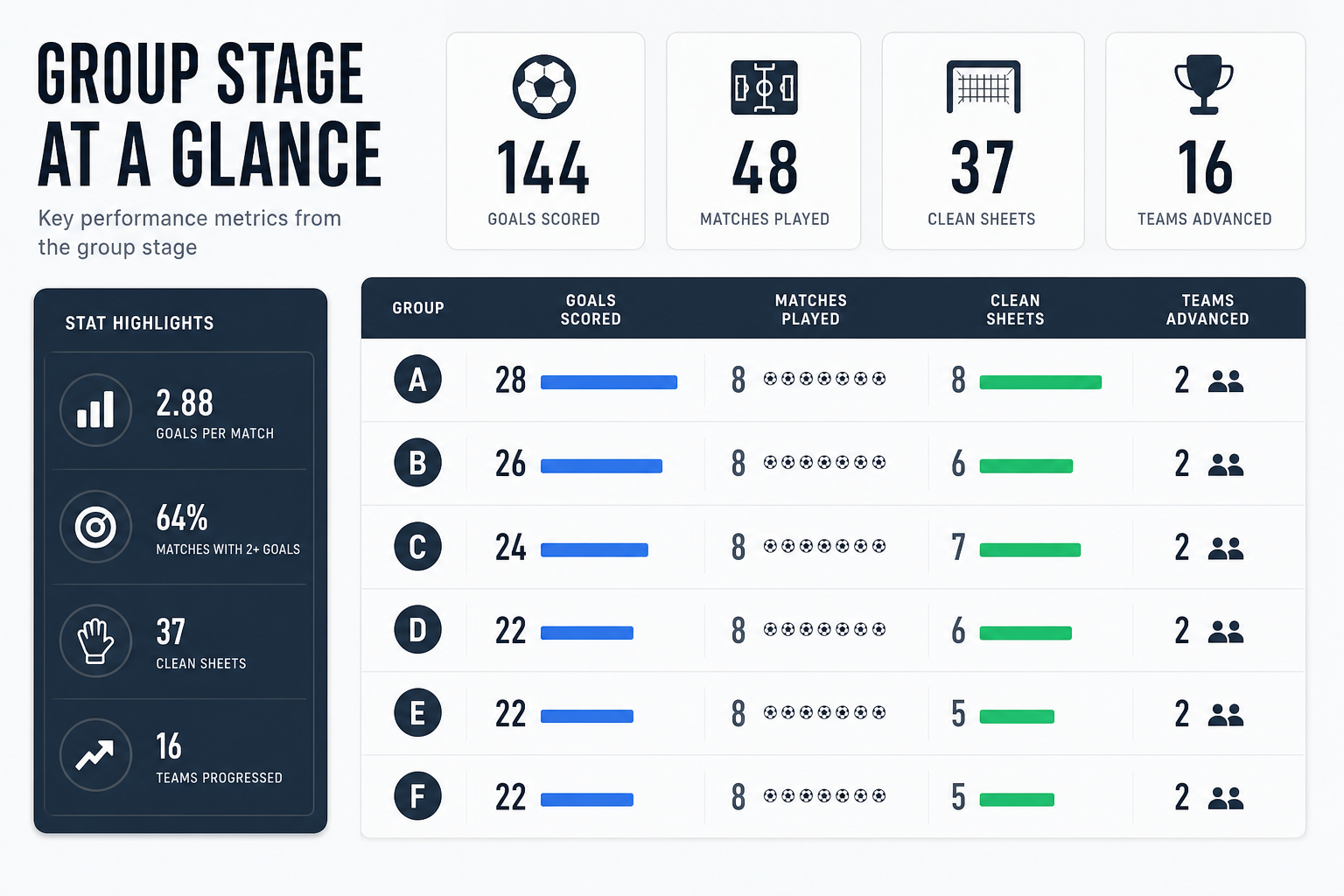
The group stage saw 100+ goals scored across 48 matches-reflecting the expanded format and the number of elite attackers competing. Canada alone scored seven goals in two matches. The highest-scoring single match was Canada 6-0 Qatar.

Breaking down the group standings and qualifiers
Let’s ground this in the actual numbers. Group A saw Mexico and South Korea advance. Mexico topped with six points; South Korea qualified with three. South Africa and Czech Republic were each eliminated with just one point-a particularly tight final matchday.
Group B was Canada and Switzerland, both with four points, separated by goal difference. Canada’s +6 goals put them ahead of Switzerland’s +3. Bosnia-Herzegovina and Qatar were eliminated, with Qatar’s -6 goal difference the worst margin in the group stage.
The full 16 qualifiers (confirmed advancing to the knockout stage):
- Mexico (Group A, 1st)
- South Korea (Group A, 2nd)
- Canada (Group B, 1st)
- Switzerland (Group B, 2nd)
- Portugal, France, Norway, Argentina, Egypt (from their respective groups)
- England (from Group C, advancing expected)
- Plus six more teams from Groups D through L
The knockout draw will pair these 16 into eight quarterfinal matchups, with the top seeded team from each group facing the runner-up of another, creating new competitive dynamics.
What the stats reveal: the expanding tournament’s impact
The 48-team format does something interesting to group-stage dynamics: it increases the likelihood of blowouts. When you have a truly elite team paired with an emerging nation, the gap shows. Qatar vs. Canada (6-0) is the logical extreme, but the pattern repeats throughout: dominant nations score heavily; struggling nations accumulate defeats.
Mexico’s goal difference (+3 in two matches) reflects a team that controlled both fixtures. Canada’s goal difference (+6) reflects a team that controlled one fixture absolutely, drew another, and advanced with commanding authority.
Defensive vulnerability surfaced in Qatar, South Africa, Bosnia-Herzegovina, and Czech Republic-all eliminated with goals against exceeding goals for. Defensive competence (Mexico, Canada) and balanced playmaking (France, Portugal) correlate with advancement.
The expansion effect is real: more matchdays per group, more total goals, but also more predictable final standings. Groups don’t typically flip on the final matchday; they usually confirm what matchday two suggested.
Looking ahead: how the group stage shapes the knockout round
The teams that advanced did so with different narratives. Mexico is the form team-unbeaten, clean sheets, controlled football. Canada is the surprise-emerging from nowhere to lead a competitive group. Elite powers (France, Portugal, Argentina) advanced as expected, though some with less drama than their seeding suggested.
What matters now: the knockout stage resets the playing field. Group winners face group runners-up, creating new pairings. Home-field advantage disappears; it’s a true single-elimination tournament from here. The story of Mexico’s perfect group play, Canada’s shocking emergence, and Qatar’s historic collapse will fade against new storylines written in the knockouts.
But for now, the group stage delivered on its promise: unpredictability, elite performances, and the kind of statistical anomalies (6-0 scorelines) that remind us why football captures the global imagination.
Try faston.click
If you’re tracking World Cup scores, standings, and live updates in real time, faston.click is your live sports companion. The platform aggregates real-time scores and standings across all World Cup matches, major leagues, and international fixtures-exactly the kind of data-driven breakdown we’ve outlined here. Whether you’re following Mexico’s unbeaten run, Canada’s playoff push, or the Golden Boot race, faston.click’s interface pulls live match information into one dashboard so you’re never behind on results.
Frequently Asked Questions
What was the biggest upset in the 2026 World Cup group stage?
Canada’s 6-0 thrashing of Qatar stands as the most shocking result. Qatar, fresh off hosting the 2022 World Cup, collapsed spectacularly, with the defending hosts eliminated after that catastrophic defeat. It ranks among the worst group stage scorelines in World Cup history.
Which team surprised everyone in the group stage?
Canada emerged as the tournament’s biggest surprise. The co-host nation topped Group B with 7 goals across two matches (including that infamous 6-0 victory), exceeding all pre-tournament expectations and establishing themselves as a genuine threat heading into the knockouts.
Did any team go unbeaten through their group?
Mexico put on a defensive masterclass, advancing through Group A with 2 wins and a pristine record: 3 goals for, 0 against. They topped the group with 6 points and didn’t concede a single goal in their first two matches.
Who led the goal-scoring race in the group stage?
The Golden Boot race featured multiple elite strikers including Erling Haaland, Kylian Mbappé, and Lionel Messi. Haaland posted 4+ goals early on, while Messi made history as the World Cup’s all-time leading goal scorer, and Mbappé continued elite-level performances.
How many teams qualified for the knockout stage from the 12 groups?
Exactly 16 teams advanced-the top two finishers from each of the 12 groups. This included Mexico, South Korea, Canada, Switzerland, Portugal, France, Norway, Argentina, Egypt, and England, alongside six other qualifiers competing for the tournament trophy.